Why Dust Build-Up Is Worse in Colder Months
How heating systems and poor ventilation affect air quality indoors
As soon as the weather turns cold, it is not just your heating bills that rise. Many people notice their homes and workplaces seem dustier in the winter. You might find yourself wiping down surfaces more often or noticing more sneezing and coughing indoors. The colder months create the perfect conditions for dust and allergens to circulate more easily inside.
Understanding why this happens can help you manage it better — and keep your indoor air cleaner and healthier throughout the season.
Heating Systems Stir Up Dust
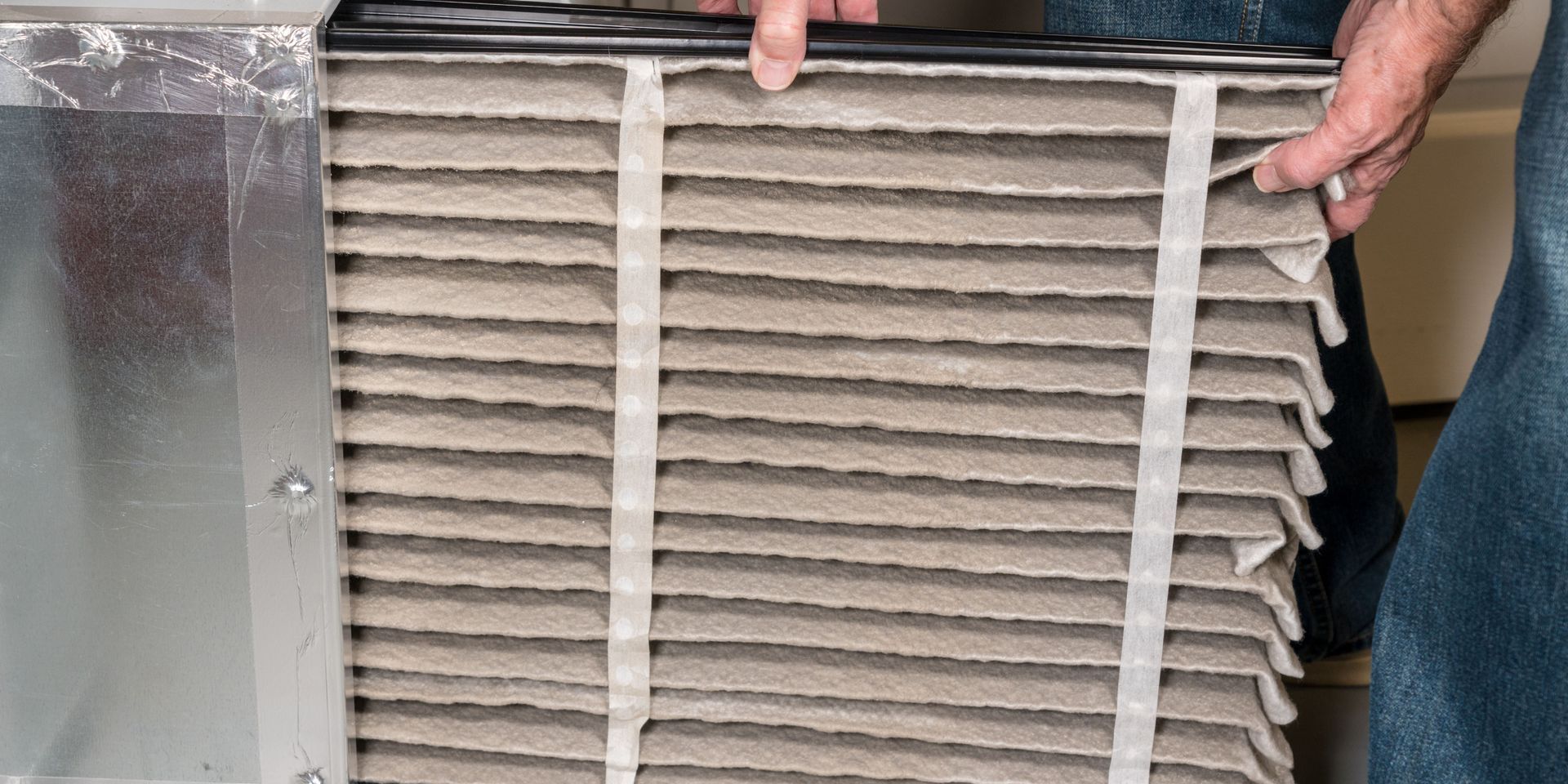
When the central heating switches back on after months of disuse, it doesn’t just warm the air. It also pushes around the dust that has settled in vents, radiators, and ducts.
- Warm air currents lift fine particles into the air, where they settle on surfaces and in carpets.
- Forced-air systems can spread dust, pollen, and pet dander between rooms.
- Older or uncleaned vents may even release trapped debris from previous seasons.
The more time you spend indoors with the heating on, the more you’re exposed to circulating particles.
Closed Windows Mean Less Ventilation

During the summer, open windows help fresh air flow through the home, naturally flushing out dust and allergens. In winter, we tend to keep windows shut to stay warm. Without regular airflow, dust lingers.
- Everyday activities like cooking, cleaning, and moving around release particles into the air.
- Without proper ventilation, these particles settle and build up faster.
- Low humidity from heating systems can make dust lighter, so it travels further.
Regular cleaning and occasional airing out can help reduce this build-up, even in colder weather.
More Indoor Activity, More Dust
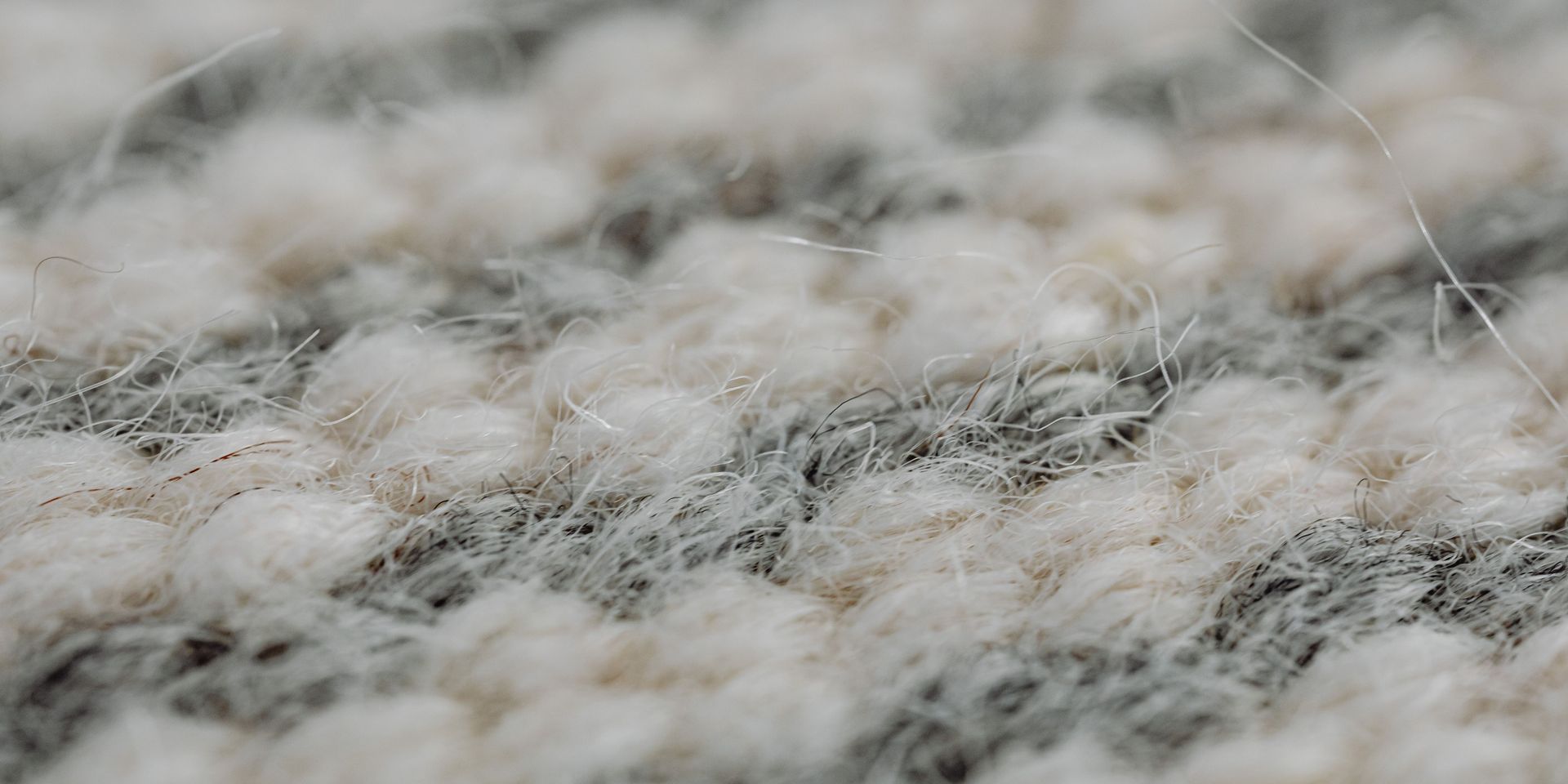
Spending more time indoors during winter naturally creates more dust. Humans shed skin cells, fabrics release fibres, and pets shed fur — all of which contribute to household dust.
- Extra blankets, rugs, and heavier clothing increase fibre shedding.
- Pet bedding and carpets trap particles that need regular vacuuming.
- Using scented candles or wood burners adds to airborne pollutants.
Keeping soft furnishings clean and vacuuming with a HEPA filter can make a noticeable difference.
Cleaning Helps Maintain Healthier Air
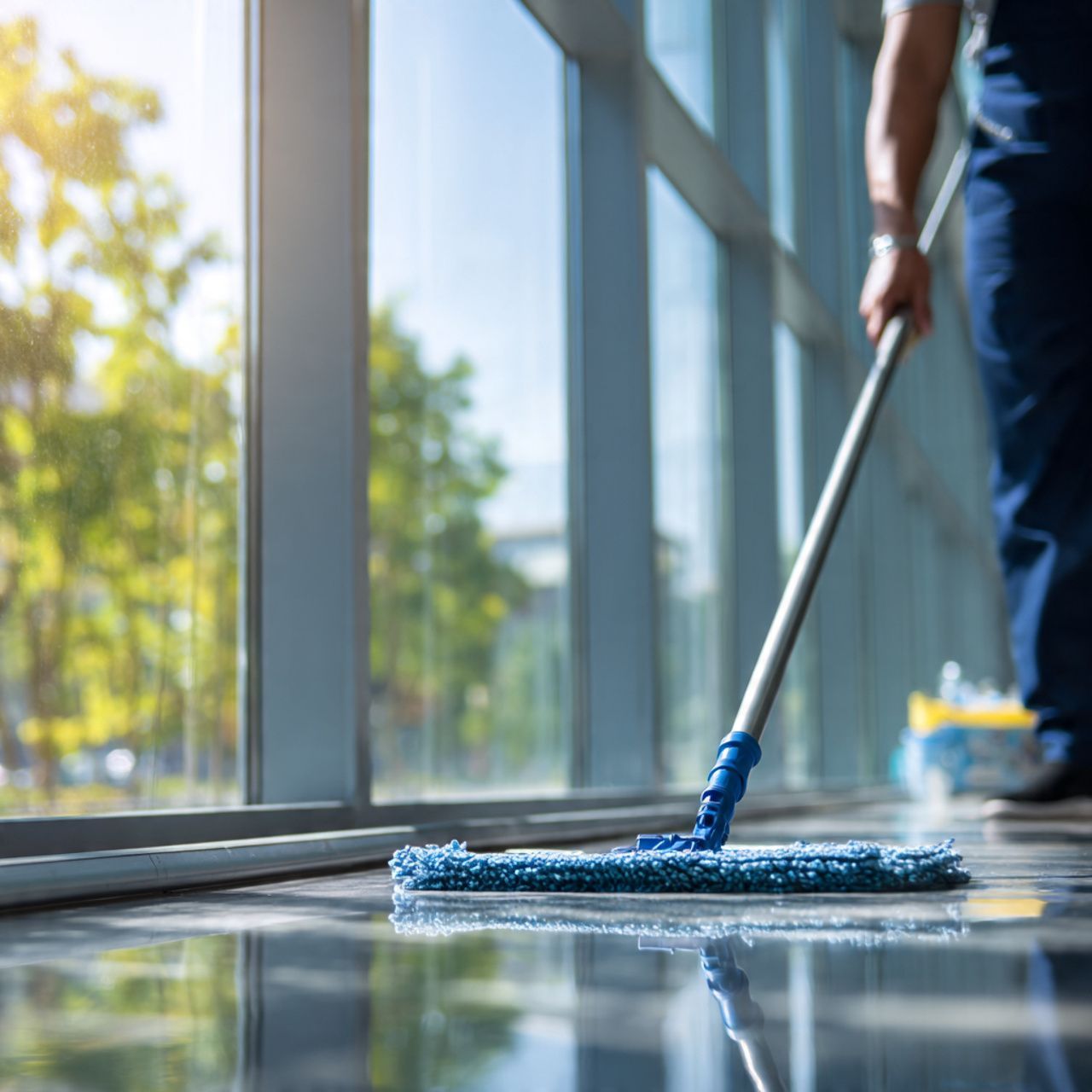
Winter air can feel heavy and stale, especially in busy homes or workplaces. A consistent cleaning routine is one of the simplest ways to keep air quality in check.
- Regular dusting and vacuuming help reduce allergens.
- Cleaning air vents, radiators, and filters stops dust from circulating.
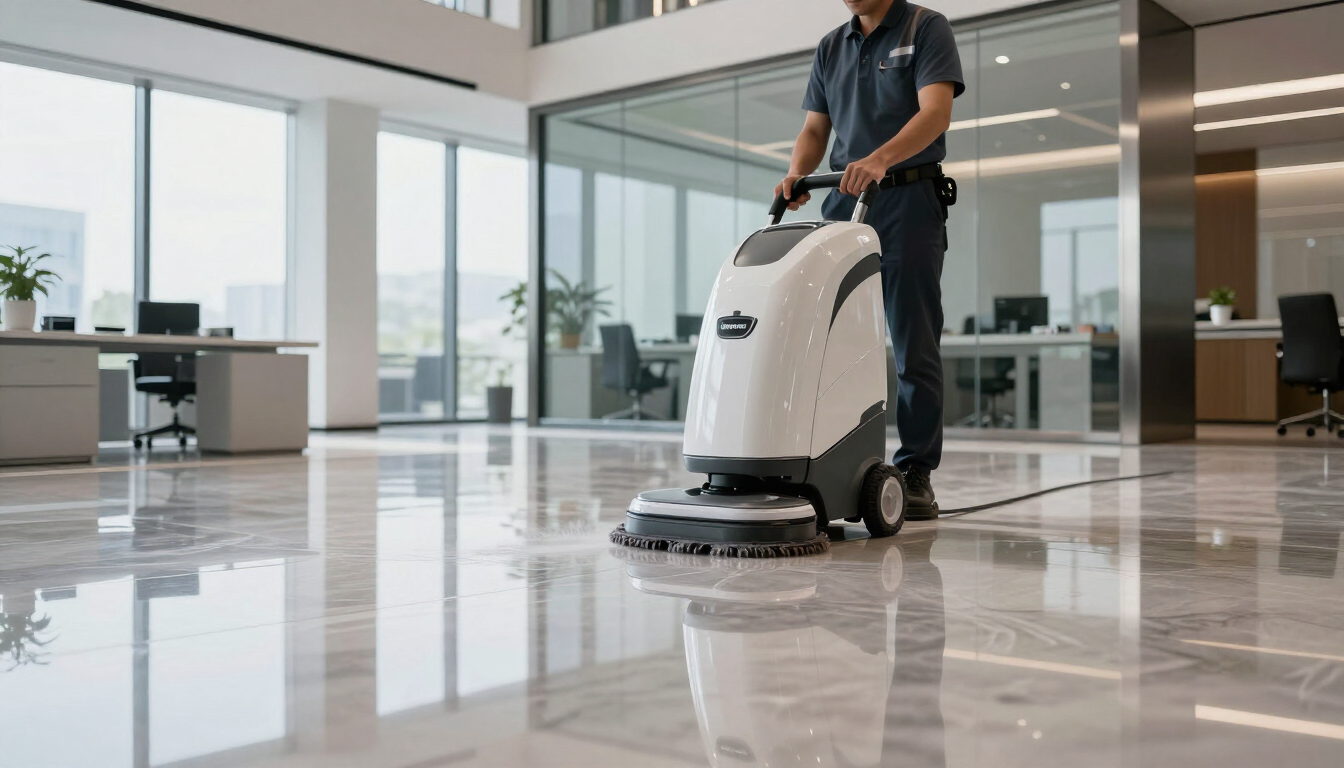
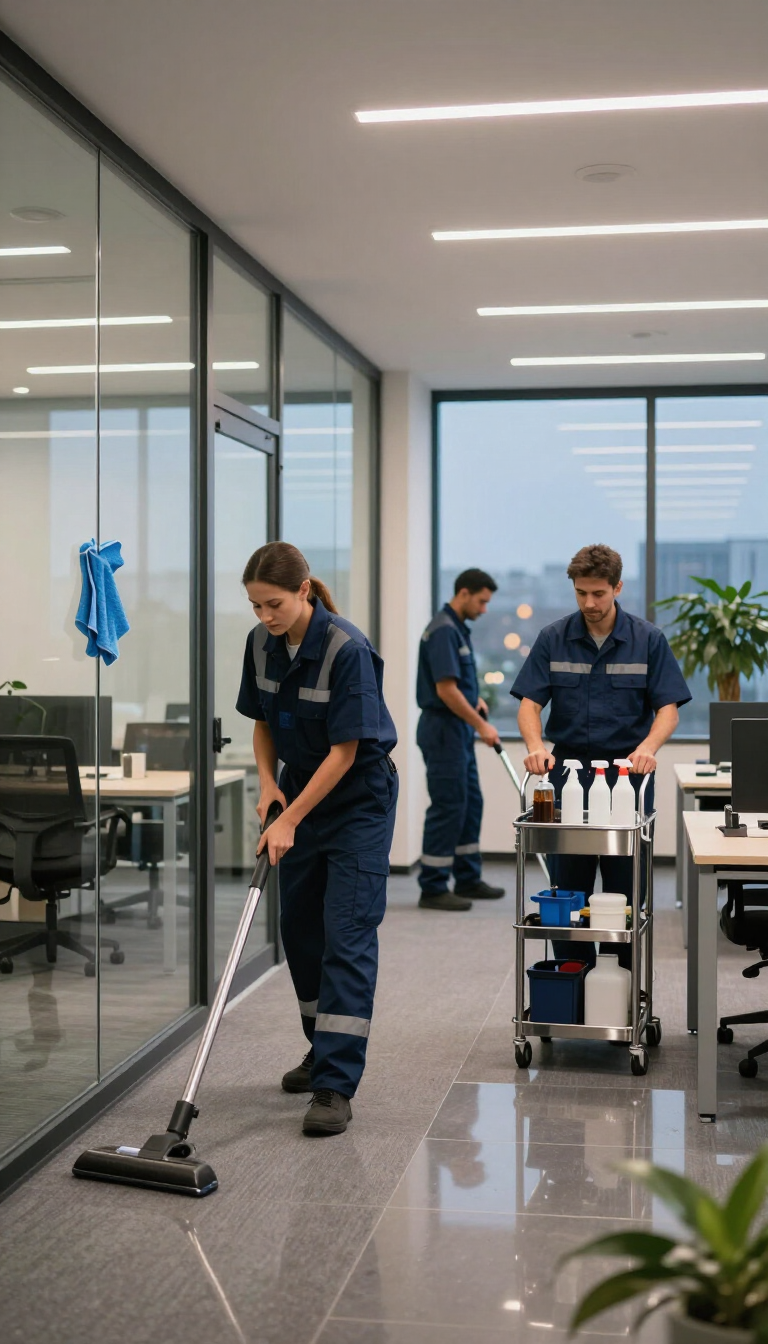
- Scheduling professional cleaning during the colder months can keep your environment fresher and healthier.
Keeping Your Space Fresh This Winter
Dust build-up may be inevitable, but it doesn’t have to affect your comfort or wellbeing. By understanding what causes it and staying on top of cleaning, you can create a warmer, cleaner, and more pleasant indoor environment — even when the weather outside says otherwise.
For professional cleaning support that helps maintain healthy indoor air quality all year round, visit
www.equitycleaningservices.co.uk.
Contact Us
Read our other blogs